
What does it take to put communities in the driver’s seat of research?

One of my most memorable experiences of participatory representation in research was outside academia when I led philanthropy-funded research for a not-for-profit organisation. The funding institution had a very broad idea of what needed to be accomplished, informed by its long-term partnerships with Ministries of Health and other key stakeholders in the countries where the research would be conducted. We were required to work with Ministries of Health, civil society organisations and academic institutions in the target countries to refine the idea to meet expressed local needs. We worked together with these national and local stakeholders, including representatives of affected communities, to identify their data needs and priority research questions, and design and implement studies to address them. This included deciding together what data needed to be collected, which data collection tools to use, and how the data would be analysed.
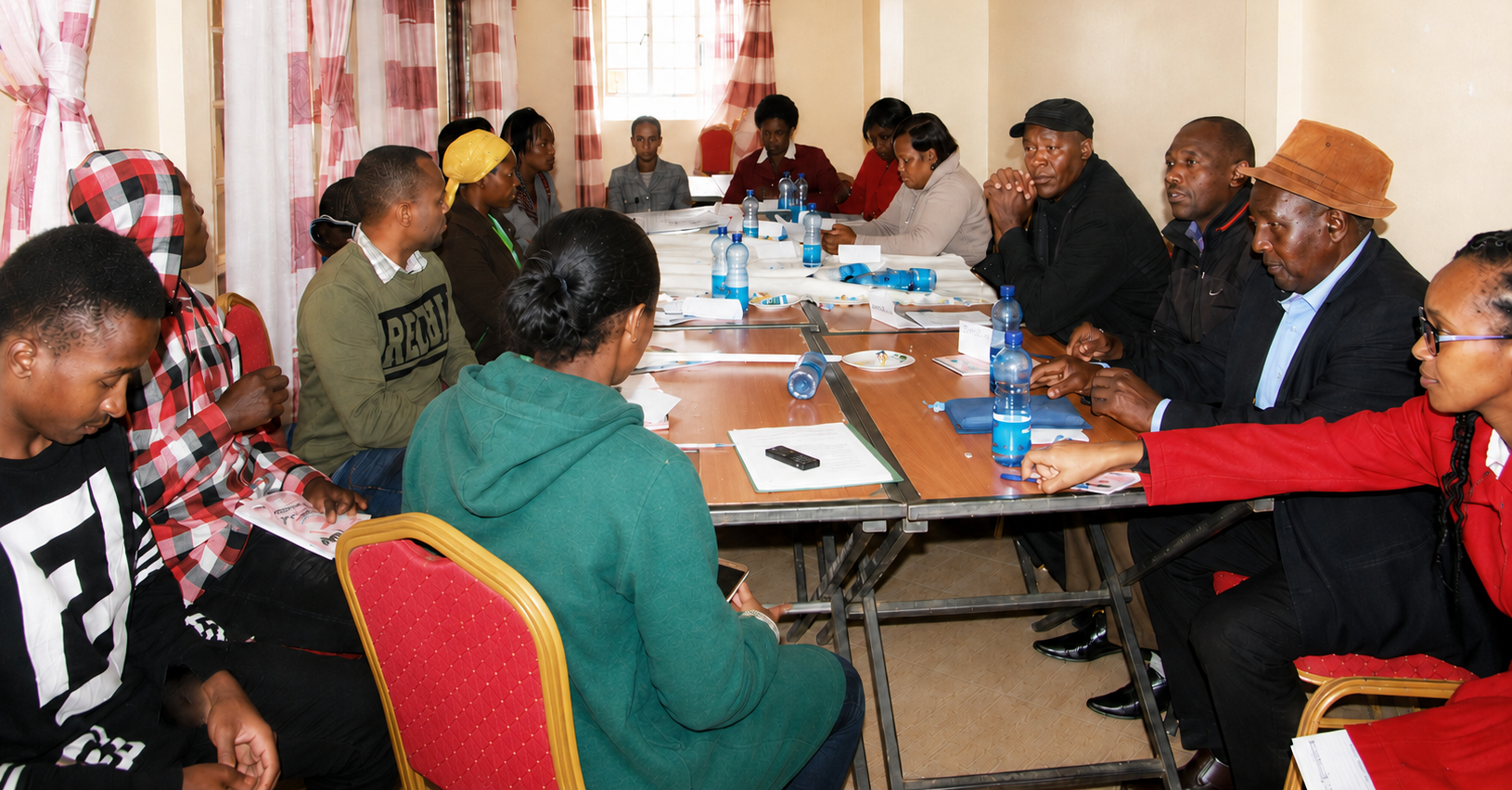
We regularly met with the stakeholders during data collection, and held stakeholder workshops after the data had been analysed to validate the results. The stakeholders led interpretation of the results, including what they meant for policy and practice in their respective jurisdictions. They also led the dissemination of the research to wider audiences.
There are two main reasons why this experience was memorable:
During the validation workshops and wider dissemination, the stakeholders, particularly those who had been involved from the beginning, and not the research team, answered most of the audiences’ questions about the research. They demonstrated a deep understanding of what had been done and why, from the design and data collection through to analysis and interpretation.
The research contributed to changes in policy and practice within two to three years, which is relatively quick for research of this kind. This was because it provided answers to questions that were already being debated at the national and international levels. In addition, those who led dissemination activities were able to draw on their extensive local knowledge to communicate in ways that resonated with decision-makers. It was possible to track how the research had directly informed decision-making.
This experience showed me what is possible when representation is not only descriptive (i.e., about how the people involved represent the population affected by our work in terms of certain demographic characteristics) but also truly participatory, with communities actively involved in decision-making throughout. This is not to say the experience was perfect – it wasn’t. However, both the good and the not-so-good about it taught me that, to do participatory representation well, we need to go back to the fundamental principles that make any relationship work, particularly trust and respect.
To do participatory representation well, we had to give up control. This meant sharing decision-making power and accepting that communities should determine the priorities and interpretations most relevant to them. Unfortunately, this is very difficult in research, particularly for those of us who consider ourselves to be ‘leading’ it. We consider ourselves ‘experts’ in our subject areas, and ‘leading’ seems synonymous with being at the forefront of the activity. We often treat our own interpretation as the objective truth and overlook how people’s experiences, positions and contexts shape what they know. This shapes many of our interactions, including how we lead research teams and work with communities: we may present our preferred approach as the “correct” one rather than considering which available option best fits the context. For this project, designing solutions that are fit-for-purpose required us to bring together wide-ranging views and experiences and to centre the affected communities as knowledge producers. This required a different kind of leadership: leading from the back, where our role was one of facilitation and support. We asked, “How can we help?” and, by doing so, provided the support partners identified as useful while leaving space for locally driven innovation and learning. We trusted and respected the communities’ ability to solve the problems they faced, and that trust and respect were reciprocated. Trust and respect are among our most precious currencies because they underpin credible and lasting relationships with communities. When we lack trust and respect, our work is unlikely to produce lasting value.
If you lead from any position other than the front, however, you have to be okay with the possibility of not getting credit for the good work because you are most likely not to be ‘visible’, particularly to people who are not directly involved with the work.

This invisibility does not align with the reward system in academia. Visibility brings recognition, esteem and professional opportunities. These influence our chances of securing research funding, keeping our jobs and advancing our careers. Visibility is therefore connected to our livelihoods and the survival of our institutions.
The need to remain visible is one of the main reasons researchers may find it difficult to relinquish control. It is why experiences like mine do not come often and are difficult to replicate. It was, therefore, a real privilege to have worked on this project. It showed me what is possible if we are willing to make the necessary trade-offs and share not only decision-making power, but also visibility and credit.
If you have worked on a project where participatory representation seemed to work, it would be great to hear why you think it worked and what made the difference.
Comments